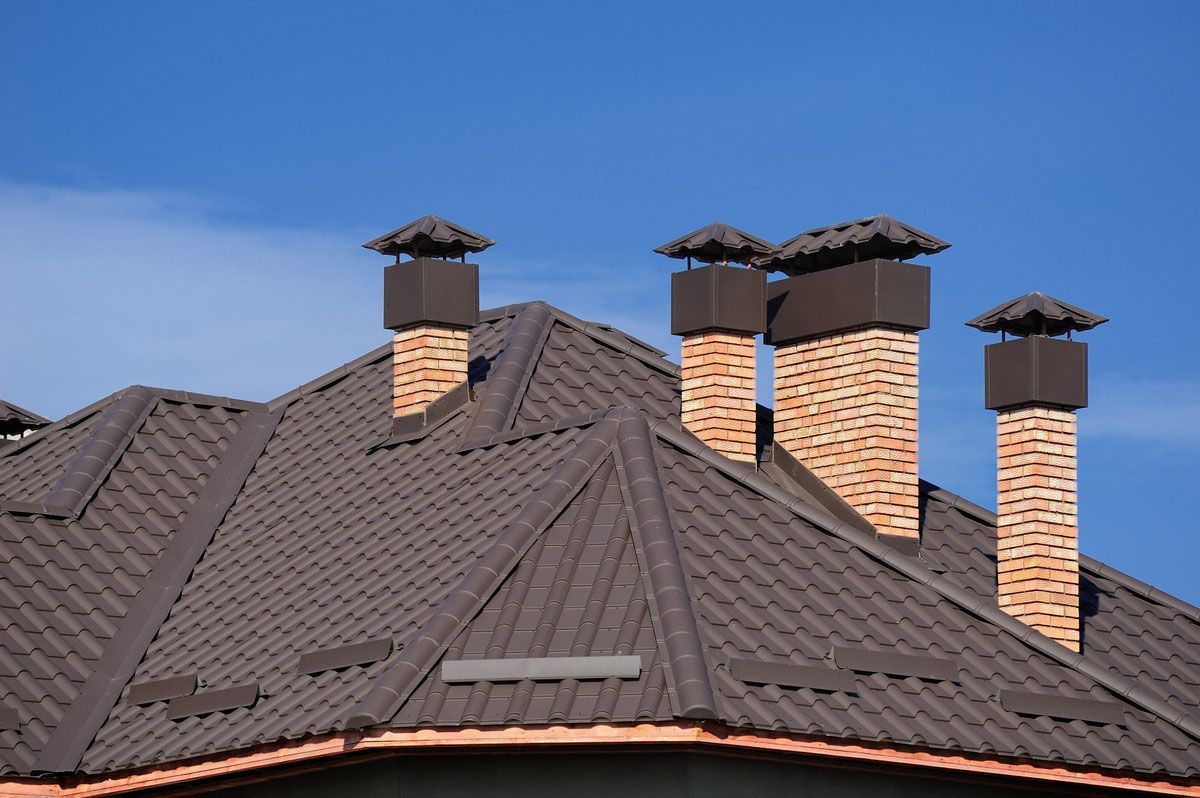
How to Properly Care for Your Home's Chimney
Wood-burning appliances, from cozy fireplaces to freestanding stoves, add warmth and charm to any home. But to enjoy them safely, proper care is essential. Neglecting maintenance can lead to decreased efficiency, smoke issues, or even dangerous chimney fires. Fortunately, with a few simple habits, you can keep your fireplace performing at its best while minimizing risks. Regular attention doesn’t have to be complicated—it’s about building small, consistent routines that protect your home and your loved ones.
Keep Your Chimney Clean and Clear
One of the most important steps in fireplace care is cleaning your chimney. Ashes, soot, and creosote build up over time, reducing efficiency and creating fire hazards. According to Homes and Gardens, chimneys used with wood-burning appliances should be cleaned and inspected more frequently, typically every 50 to 70 fires. Make sure to clean your chimney after every few uses, and always allow your appliance to cool completely before removing debris. Even small amounts of buildup can cause problems, so regular attention pays off. Proper cleaning not only improves airflow but also makes your fireplace more enjoyable to use, with less smoke and more consistent heat.
Inspect Early and Prevent Problems
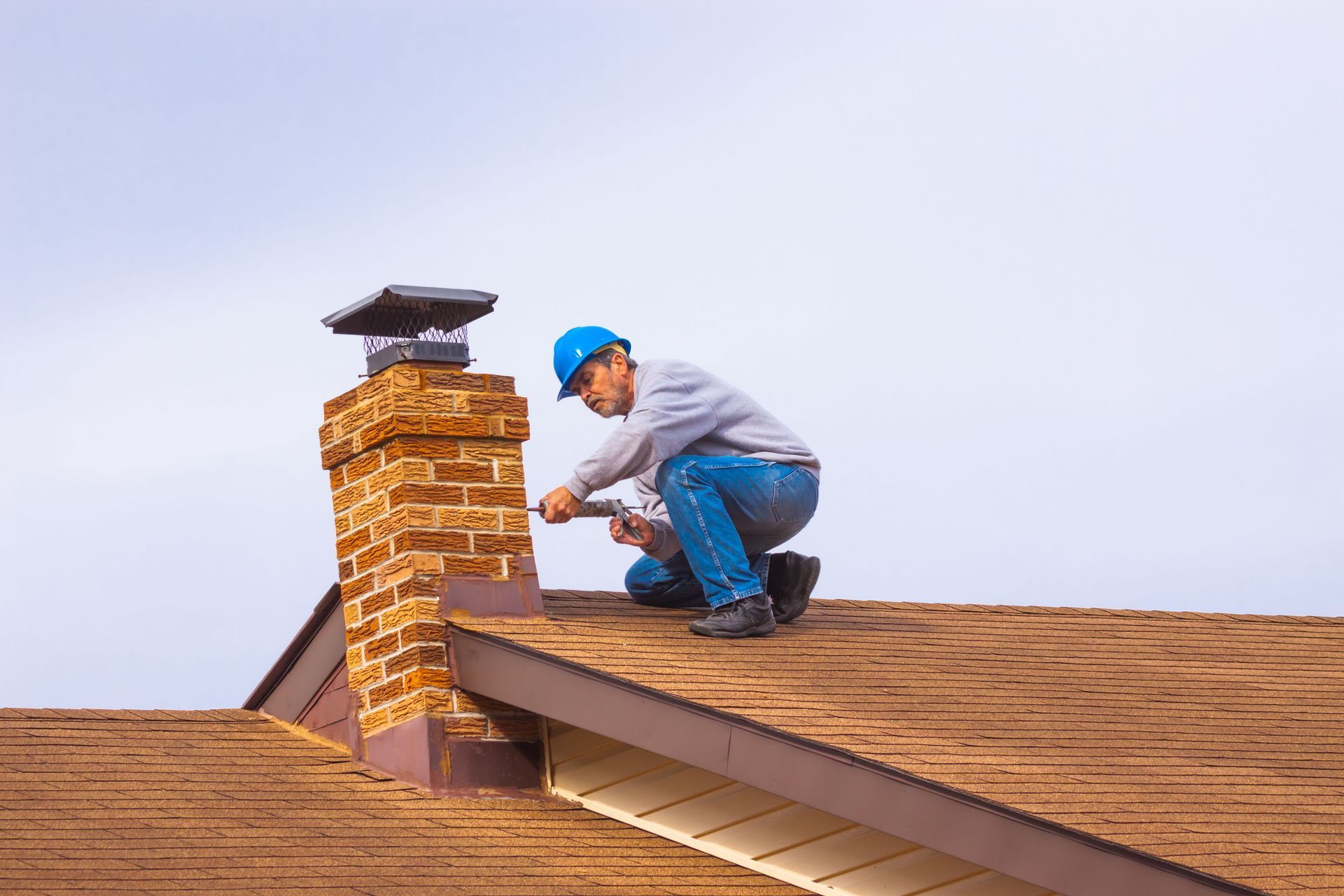
Routine inspections are just as important as cleaning. Even minor cracks, loose bricks, or blockages can escalate if left unaddressed. Checking the chimney cap and ensuring unobstructed smoke exit are simple yet critical steps. Catching issues early means you can schedule chimney repairs before small problems turn into costly emergencies, keeping your home and family safe. It’s also a good idea to keep a checklist of what to look for—loose mortar, rusted metal components, or water stains can all indicate trouble.
Burn Smart for a Longer-Lasting Chimney
The type of wood you burn and how you use your fireplace affects chimney health. Seasoned hardwoods, like oak or maple, burn cleaner and produce more heat, while softwoods or chemically treated wood can increase creosote buildup. Store firewood in a dry, ventilated area to ensure it burns efficiently. Following these simple fuel tips, combined with proper cleaning and inspections, helps reduce the need for frequent chimney repairs and keeps your fireplace performing at its best. Simple practices, like starting fires slowly and keeping the damper open until smoke clears, also extend the life of your chimney and make your home safer.
Proper chimney care is all about staying proactive. Regular cleaning, careful inspections, and responsible fuel use can prevent hazards, improve efficiency, and extend the life of your wood-burning appliance. Address small issues promptly with professional chimney repairs to avoid bigger problems later. Enjoy the warmth and charm of your fireplace safely, and for trusted expert services, rely on Advance Chimney.


Share On: